 Canada
 U.S.A.
 International
Frequently
Asked Questions
Here are some answers to questions we often get asked about our steel buildings. If you don't find your question answered here, please Contact Us.
Cost and financing
The cost per square foot for a pre-engineered metal building can vary greatly. Factors such as the building's size, location, materials, and customizations all play a role in determining the final price. In 2025, the starting prices in the US ranged from approximately $15 to $30 USD per square foot, influenced by design complexity and steel market prices.
Quotes usually include the prefabricated steel and metal arches, as well as base plates and fasteners; end walls might be optional based on your needs. Items like doors, windows, skylights, and vents are generally sold separately. In addition, purchasing a Pioneer Steel building comes with:
- Plans and Specifications: The manufacturer supplies detailed plans and specifications that define the structure’s design, including all loading requirements, steel thicknesses, and material grades.
- Design Certification: If requested, the manufacturer provides a signed and sealed letter of design certification from a licensed professional engineer.
Yes, these options typically save money because they're quicker to assemble, require less labor, use materials efficiently, and have lower maintenance costs over time.
| Category | Pre-Engineered Steel Buildings | Traditional Construction |
|---|---|---|
| Construction Time | Faster assembly | Longer construction time |
| Labour Costs | Lower due to modular assembly | Higher due to specialized trades |
| Material Efficiency | Optimal use, less waste | More waste |
| Maintenance Costs | Lower, durable and resistant | Higher, prone to rot, pests, etc. |
| Energy Efficiency | Naturally energy efficient | Varies, often less efficient |
| Design Flexibility | High, customizable | Moderate, less flexible |
It is a frequent misunderstanding that Pioneer buildings pose challenges regarding installation and maintenance. These structures are engineered for straightforward installation, which lowers both assembly and construction costs. They are highly durable and require only minimal ongoing maintenance. Furthermore, owners can benefit from reduced insurance premiums and lower long-term maintenance expenses, making Pioneer buildings a notably cost-effective option.
Absolutely. Pioneer provides a wide range of pre-designed kits suitable for most construction requirements, which can greatly reduce expenses when compared to choosing highly customized options
Here are several practical strategies to cut costs with pre-engineered steel buildings:
- Standardized Kits: Opting for standardized kits—suitable for most building requirements—can be much more cost-effective than pursuing complex custom designs.
- Easy Installation: Pioneer buildings feature straightforward installation, helping you save on both assembly and construction expenses.
- Durability and Low Maintenance: These structures are extremely resilient and require little to no upkeep, reducing both insurance premiums and overall maintenance costs.
- Local Sourcing: Using materials sourced within North America lowers transportation expenses and boosts the local economies.
- Green Building Materials: Incorporating sustainable and recycled resources not only cuts up-front costs but also helps qualify for incentives related to green construction practices.
Construction and installation
Most buildings can be shipped within a few weeks after you place your order. For more details on delivery options, please visit our Prices section.
At Pioneer Steel, we perform comprehensive inspections of our buildings at three distinct stages prior to shipment to ensure the highest level of customer satisfaction.
Should you notice any missing or damaged components upon receipt, please notify your dealer without delay. Pioneer allows a 30-day period to report shortages; if you contact us within this timeframe, we will promptly arrange for the dispatch of replacement parts.
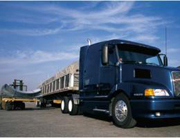
Pre-engineered metal buildings are commonly delivered as prefabricated parts. After manufacturing at the factory, components such as steel arches, end walls, fasteners, and other materials are securely packaged and loaded onto flatbed trucks. Thanks to the compact stacking design of our arch structures—where standard panels nest efficiently—the shipment takes up less space and helps cut down on transportation costs. Deliveries are scheduled so that everything arrives together at the construction site, where workers unload the materials and assemble them following the provided building plans.
- Components are packaged for easy identification and handling.
- Transport can be by road, rail, or sea, depending on the destination.
- Delivery schedules are arranged to match the construction timeline and site readiness.
- We recommend you have some assistance available to unload your prefab metal building.
This process ensures that every component is delivered intact and organized, allowing the construction team to assemble everything efficiently at the site.
You also have the option to collect your prefab steel building yourself from our production facility. Doing so will save you the cost of shipping. Just let your dealer know, and they'll be happy to give you directions.
There are several methods for unloading your Pioneer pre-engineered building:
- Equipment: If you have access to a forklift or front-end loader, utilizing this equipment will greatly facilitate the unloading process.
- Manual Assistance: In the absence of such equipment, enlisting the help of multiple individuals is recommended. Increased manpower can expedite and ensure an efficient unloading operation.
If you have any questions regarding your steel building, there are a couple of ways you can get assistance:
- Dealer: Feel free to ask your dealer any questions you have. Our dealers are knowledgeable about all of our products.
- Factory Help Line: For direct assistance from the source, please call our factory direct at our toll-free help line at 1-800-668-5422. You may consult with one of our service technicians to receive answers to any questions you may have.
Pre-engineered buildings offer significantly reduced construction timelines compared to traditional structures; for instance, a 2,000-square-foot facility can generally be planned, designed, and completed within three months, including foundation work. On-site assembly typically requires only a few days to one week due to the use of pre-drilled foundations and easily assembled panels. This streamlined process facilitates efficient project delivery and contributes to notable cost savings by minimising reliance on specialized labor. Check out our Do-it-Yourself section for more information.
Pre-engineered arch-style buildings are specifically designed to facilitate do-it-yourself assembly. Supplied as comprehensive building kits, over 75% of Pioneer Steel customers successfully construct these buildings independently. Construction generally necessitates a team of approximately four individuals, though this may vary depending on the building's dimensions. While it is feasible to complete assembly with more or fewer participants, a group of four typically completes the process efficiently within several days. Check out the video on our DIY section to see how easy assembly can be.
Pioneer Steel doesn't have its own construction crews, but your dealer can usually give you a list of reliable contractors who can put up your steel building quickly and affordably.
When storing your Pioneer Steel building outdoors for an extended period, it is essential to observe appropriate precautions. Simply covering the shipment with tarps is insufficient and not recommended. Please refer to the guidelines below for proper outdoor storage procedures.
Guidelines for Outdoor Storage of Steel Buildings Prior to Construction
If you need to store your Pioneer Steel building outdoors for an extended period before starting construction, it’s essential to take specific precautions to prevent damage. Simply covering the shipment with tarps is not only insufficient but can be detrimental.
- Remove the strapping and separate all arch panels using small pieces of dry wood to allow air to circulate between each sheet.
- Ensure that endwall bundles are fully separated so that no two sheets are touching.
- Store all parts individually, placing them on dry wooden blocks to keep them off the ground.
When Galvalume PlusTM steel is stored outside for a considerable duration, any moisture trapped between pieces can lead to the formation of a white or dark grey residue called ‘wet storage stain’. By following the above storage recommendations, you can effectively prevent this type of staining from occurring.
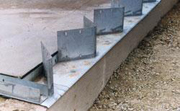
All metal buildings must be constructed on a concrete foundation designed by a licensed engineer to accommodate specific structural loads and comply with local building codes. Typical foundation options include concrete slabs, perimeter walls, or piers. A simple floating foundation is required. For convenience, our optional pre-drilled foundation connector facilitates efficient construction with Pioneer Steel. Additionally, Pioneer’s nut-and-bolt assembly ensures strong, precise, and durable construction. For more information on the various types of foundations available, see the section of our site on foundations
In most municipalities and states, obtaining a building permit is required prior to constructing a pre-engineered steel building. Local regulations mandate permits for most new structures to ensure safety, compliance with zoning laws, and adherence to applicable building codes.
- Why is a permit required? Permits help ensure your building meets safety and structural standards and is in an approved area.
- Where do I get a permit? Building permits are typically issued by your city or municipal government’s building department.
- What do I need to apply? You will usually need to submit engineered drawings, site plans, and other documentation. Requirements may vary by location. Ask your dealer about by-laws in your area or where to find out about them. Should you need a permit, we can supply engineer’s blueprints, calculations or certificates.
- Are there exceptions? Some minor structures or agricultural buildings may have different rules but always check with your local authority first.
It is important to verify the specific permit requirements with your local municipality before you begin construction.
No. Constructing a metal building underground subjects it to continuous weight, substantial soil pressure, and variable stresses arising from the surrounding earth. Pioneer buildings are not designed or engineered to accommodate these conditions.
Design and customization
Absolutely. Pre-engineered buildings can be tailored extensively—including their size, accessories, design layout, and overall look. Pioneer also has several building models with varying looks that you can choose from including both rounded and peaked roofs.
While customization can increase upfront costs, it also adds value and functionality. You can add features such as:
- Exterior: Custom front wall to match your property aesthetically or custom paint.
- Interior: Partitions, mezzanine floors (independently supported), and special fixtures.
- Openings: Additional doors, windows, and skylights.
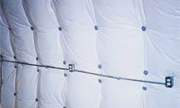
Pioneer’s trussless design makes it simple to install insulation, whether spray-on, fiberglass rolls, or rigid foam. Ducting for heating and air conditioning is also straightforward. Insulating a steel building boosts energy efficiency, comfort, and durability by controlling temperature, minimizing noise, and preventing condensation.
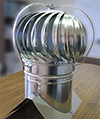
At Pioneer, we understand the critical role that ventilation plays in ensuring the efficiency and comfort of our customers’ buildings. Our clear span structures are meticulously engineered to deliver optimal airflow and consistent temperature regulation. We provide two primary ventilation solutions: gravity ventilators and turbine ventilators. In addition, customers may choose to implement a customized ventilation system tailored to specific requirements. Our standard offerings feature continuous circular gravity ventilators with a 12" diameter and 12" diameter turbine ventilators equipped with heavy-duty ball bearing shafts, designed to ensure quiet performance and long-term dependability.
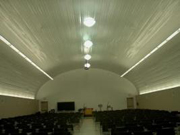
Yes, heating and air conditioning systems can be installed in pre-engineered metal buildings. These structures feature a clear span, trussless design, which builders often appreciate because it provides unobstructed access and makes installation easier.
This benefit isn’t limited to HVAC systems—it also applies when installing electrical wiring, plumbing, drywall, suspended ceilings, and partitions. Because there are no interior support columns or trusses, contractors can efficiently route utilities and build interior finishes without dealing with the limitations that usually come with traditional building frameworks.
When thinking about adding weight to the roof of your Pioneer pre-engineered steel building, it's important to proceed carefully. These buildings are built to handle considerable stress, but any changes should be made thoughtfully. If you're considering something like installing a catwalk or another structure on the roof, you should always talk to your dealer or a qualified engineer first. Getting expert advice helps ensure that extra weight won't affect the safety or stability of your building.
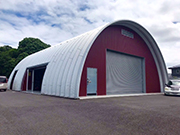
Absolutely! Side entrances are available for all Pioneer Steel models. These entrances may incorporate either a service door or an overhead door. As with end doors, you have the option to utilize Pioneer-provided doors or to install a frame accommodating any custom door of your choice.
Yes, increasing the height of the sidewalls on a Pioneer building is achievable through foundation modifications. A common solution involves integrating concrete sidewalls into the foundation design, which generally enables an increase in sidewall height by approximately 2 to 4 feet. Depending on the selected building model, it may also be possible to request higher sidewalls as a customized feature. This option provides flexibility to accommodate specific space or clearance requirements.
Enhanced sidewall height offers several advantages, including increased vertical space, improved ventilation, and the potential for larger doors and windows. These enhancements contribute to greater functionality and versatility of the building.
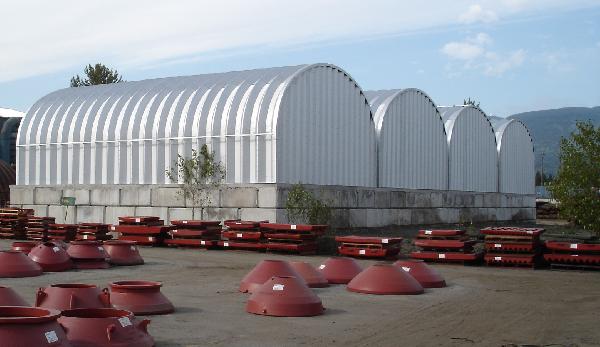
If you require additional sidewall height for your pre-engineered metal building, there are several options available to achieve this. Pioneer buildings are designed to be constructed on various types of foundations, which can help accommodate higher walls.
An efficient approach involves installing the Pioneer foundation base plate onto sidewalls constructed from various materials, including concrete, block, or steel. By first building up these sidewalls prior to connecting them to the steel structure, it is possible to increase the overall height of the sidewalls as required. These foundation solutions offer design flexibility and enable customization of building height, all while ensuring structural integrity and adherence to local building codes.
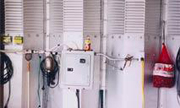
Pioneer buildings fully accommodate electrical wiring installation. For those unfamiliar with electrical work, it's highly advisable to hire a licensed electrician to ensure safety and proper completion of the task. Numerous customers have effectively added lighting, power outlets, and various electrical equipment to their steel structures, showcasing how adaptable these buildings are for different electrical requirements. It's essential to focus on safety and seek professional assistance whenever performing electrical installations.
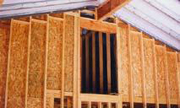
Once your pre-engineered steel building is complete, customizing the interior is an easy process. A popular way to make the most of your space is by adding partitions, which allow you to divide areas efficiently thanks to the building's truss-free, open design.
You have considerable freedom in setting up the layout. Whether you want to use partitions to separate different sections, install permanent walls for distinct rooms, or arrange cubicles for an office setup, the spacious floor plan provides plenty of options to meet diverse needs.
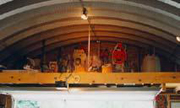
Many clients opt to boost the functionality of their pre-engineered steel buildings by adding mezzanines, which need to be independently supported. This is a practical way to expand storage space inside the building.
Mezzanines are especially common in garages, where they’re often placed above the main entrance. These raised platforms offer handy storage for items like holiday decorations, gardening tools, automotive supplies, and other personal belongings. By making use of vertical space, owners can increase their storage options and keep the main floor tidy and organized.
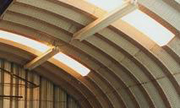
For optimal structural integrity, skylights should be staggered laterally across the building. Installation is efficient, as our skylight panels utilize the same single nut-and-bolt fastening system employed for our steel panels. Skylights provide tailored solutions for natural light management within the structure.
Our manufacturer supplies an extensive range of fiberglass panels that are meticulously designed to fit the contours of standard building components. These premium-grade panels are available in 12 oz., 16 oz., or 24 oz. fiberglass, each engineered to replace conventional steel sections and support a streamlined assembly process.
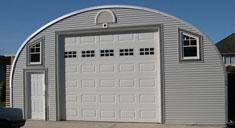
Yes, when it is necessary to match or complement existing structures, or to extend and customise your building, you may construct an end wall using various materials. Our end wall adapters are designed for ease of use, ensuring your project can be completed efficiently and cost-effectively. In addition, frames can be installed to accommodate any custom door requirements.
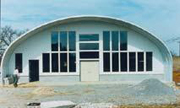
Yes, you can recess the endwall of your pre-engineered steel building to add an overhang above it. This is possible with either the standard endwall or a custom-designed version. Creating a recessed endwall allows you to incorporate an architectural overhang, which can enhance both the appearance and functionality of your building.
At each endwall-to-roof transition in our pre-engineered steel buildings, we implement a precision-engineered standard double angle flashing system. Fabricated from heavy gauge steel, this system not only enhances the overall structural strength but also delivers a refined, high-quality appearance. Its design is intended to uphold both the building’s structural integrity and its visual appeal.
Durability, quality and maintenance
For more than 45 years, Pioneer Steel has earned a strong reputation as a manufacturer of steel buildings. The company is recognized for producing clear span, trussless, and self-supporting arch-style structures, and is noted for its dedication to innovation and structural strength.
As an advanced manufacturer and international exporter, Pioneer Steel is known for delivering dependable and long-lasting steel building solutions. Their specialized in-house engineering departments and vast industry experience allow them to design and build steel buildings that meet diverse application needs.
A pre-engineered steel building, when properly designed, constructed, and maintained, can demonstrate outstanding durability and longevity. These structures generally offer a lifespan between 50 and 100 years, with some evidence suggesting that, under optimal conditions, their service life may exceed a century. Several significant factors influence the actual lifespan of a steel building.
- High-quality initial construction is essential. The use of corrosion-resistant materials, such as Galvalume PlusTM steel, greatly enhances resistance to rust and environmental degradation. These buildings typically require minimal maintenance over their operational lifetime.
- Environmental conditions also affect long-term performance. Adverse weather may present challenges; however, these risks are mitigated by specific design features, including rounded or sloped roofs and protective coatings applied to the steel. By accounting for these variables, Pioneer steel buildings are equipped to deliver reliable, enduring performance across varied applications.
Pioneer Steel buildings come with two key warranties for lasting assurance.
- 50-Year Panel Warranty
Galvalume PlusTM steel panels are protected against corrosion for 50 years, reflecting the company’s commitment to durability.
- 12-Month Defect Warranty
A 12-month warranty covers any manufacturing defects, ensuring quality from the start.
Yes. Steel has a high strength-to-weight ratio and can be designed to comply with local building codes, making it suitable for resisting strong winds, heavy snow, and earthquakes. The load requirements for steel structures are as follows:
General: Design loads must account for live, snow, wind, earthquake (if applicable), and dead loads. All load specifications must comply with the relevant building code as mandated by local authorities.
Snow and Wind Load: The design for snow and wind loads is determined based on the specified ground snow load and wind pressure, respectively. The allocation of these loads across the steel building envelope should adhere to the applicable governing building codes for the location.
Seismic Loads: When relevant, dynamic loads from seismic activity must be evaluated in conjunction with other imposed loads.
The higher aluminum content present in Galvalume PlusTM steel is instrumental in supporting reduced interior temperatures within buildings. This advanced alloy facilitates the reflection of solar heat, thereby enhancing thermal comfort even during periods of direct sun exposure.
Furthermore, the distinctive deep corrugation in the three-sided panel configuration serves to limit exposed surface area. Combined with thick-gauge steel construction, this design effectively mitigates external noise transmission. Consequently, our steel structures deliver robust temperature regulation and superior acoustic insulation.
Steel buildings are easy to maintain because they’re built to last. Protective coatings keep the surfaces safe from environmental damage, while corrosion-resistant materials like Galvalume PlusTM offer extra, long-term protection. Thanks to these features, steel buildings stay in great shape for decades with minimal or no maintenance required.
All our buildings are constructed using AZ180 (AZ60) Galvalume PlusTM steel to ensure they remain rust-free and visually appealing. This material is selected specifically for its outstanding durability and resistance to corrosion.
Galvalume PlusTM steel comes with a 50-year corrosion warranty, so your building will maintain both its strength and good looks for many years.
Galvalume PlusTM steel offers several benefits, including:
- Corrosion Resistance: The high aluminum content in Galvalume PlusTM steel provides excellent resistance to corrosion, ensuring the longevity of your building.
- Heat Reflectivity: The aluminum-zinc alloy coating helps reflect heat, keeping the building cooler inside.
- Noise Reduction: The deep corrugation of the panel, which makes it uniquely 3-sided, leaves less exposed surface area. This, along with the thick gauge steel, dramatically reduces noise.
- Maintenance Free: Due to the protective coatings and corrosion-resistant properties of Galvalume PlusTM steel, Pioneer Steel buildings are maintenance free.
- Warranty: Galvalume PlusTM steel comes with a 50-year warranty against corrosion, ensuring long-term peace of mind.
Condensation may develop in any type of building, including steel structures, when ventilation is insufficient. Moisture accumulation is generally attributable to inadequate airflow.
To mitigate condensation, it is recommended to install appropriate ventilation systems that enhance air circulation. If the issue persists, consider increasing the number of ventilators to further minimize moisture levels.
Steel comes in different thicknesses, known as gauges, which help protect buildings from environmental factors like snow and wind. In places with lots of snow or strong winds, thicker steel is needed to make sure the building stays strong and stable. Thicker steel is better at resisting these forces and can prevent damage.
Your dealer will review your location, how you plan to use the building, and the site conditions before recommending the right steel thickness. This way, your building will be designed to handle local weather, giving you confidence and durability for years to come.
Pioneer Steel buildings are specifically engineered to prevent leaks, ensuring the long-term integrity and durability of your structure. This protection is achieved through a carefully designed system of overlapping panels and arches during construction.
- Panel Overlap System: Each steel panel is installed so that it overlaps the one below by 9 inches. This generous overlap acts as a barrier, preventing water infiltration between the panels and directing moisture away from the interior of the building.
- Arch Overlap for Added Security: In addition to the panel overlap, every arch in the structure overlaps the adjacent arch by 3 inches. This additional layer of protection minimizes the risk of leaks at the seams where arches meet, further enhancing the building’s weather resistance.
- Importance of Proper Assembly: To ensure your Pioneer building remains virtually leak-free, it is essential to strictly follow the step-by-step instructions provided in your construction manual. Proper assembly is key to maintaining the quality and leak-resistance for which Pioneer buildings are known.
Customers can always choose to add our sealant/caulking as an option to further secure the building.
The thickness of steel is designated by its gauge, where a lower gauge number corresponds to a thicker steel panel. Pioneer Steel employs Galvalume PlusTM in all steel building applications and provides a range of gauge options to accommodate diverse project requirements.
In areas subject to substantial snowfall or strong winds, Pioneer Steel advises the use of lower gauge (thicker) steel panels. Increased panel thickness contributes to greater structural integrity, offering enhanced protection against adverse weather conditions and environmental stressors.
Pioneer steel buildings are engineered for optimal adaptability, facilitating seamless future expansions. The construction process employs standard panels, each approximately 2 feet by 10 feet in size, which are assembled with a consistent nut and bolt system to ensure uniformity and efficiency.
This standardized approach allows for straightforward extension of the structure by adding additional arches as needed. Expanding the building is accomplished by integrating more panels and arches, thereby increasing its length with minimal complexity. Such versatility enables the metal building to accommodate evolving requirements, offering an effective solution for long-term spatial needs.
Pioneer Steel buildings exhibit outstanding fire resistance due to their all-steel construction. In the event of an interior fire, the steel framework helps contain the flames within the structure, offering substantial protection for adjacent residences and surrounding property.
Additionally, if a fire originates externally, the steel serves as an effective barrier, preventing outside flames from igniting materials inside the building. While exterior surfaces may experience burning and discoloration, the structure is designed to maintain its integrity and resist collapse under such circumstances. Even after exposure to fire, Pioneer Steel buildings will continue to offer dependable protection and maintain a high level of corrosion resistance for many years.
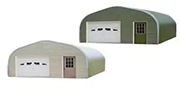
You don't have to paint your steel building because it already has an appealing silvery-matte finish. However, some customers still choose to paint all or part of their building to better match their property's look.
Painting our Galvalume PlusTM buildings is simple after you prepare the surface, just as you would with traditional galvanized steel. There's no need to let the building weather first, but proper surface preparation is essential when painting or powder coating, since Galvalume PlusTM is typically chemically treated (passivated).
Surface preparation typically involves:
- Cleaning to remove dirt, oils and other contaminants. For cleaning use a mild soap detergent. Always test cleaners on a small portion of the steel building to ensure it does not affect the shine.
- Rinsing and drying the building
- Application of a primer. The primer should be tested for adhesion
- A final test for adhesion on the painted/cured surface should be performed to ensure that the paint adheres. Exterior acrylic house paint has been tested with success.
Always follow the paint manufacturer's guidelines for preparing and painting Galvalume PlusTM coated steel to achieve optimal paint adhesion and corrosion resistance.
Keep in mind that painting your Pioneer Steel building will void its 50-year warranty.
Application and use
Pre-engineered steel buildings offer exceptional versatility and are widely utilized across a range of industries and applications.
Industrial Applications
These buildings are commonly chosen for industrial purposes such as workshops, warehouses, and manufacturing plants. Their clear span design and robust construction make them ideal for accommodating large equipment and providing open, unobstructed workspaces.
Commercial Applications
In the commercial sector, pre-engineered steel buildings are used for retail spaces, office buildings, and storage facilities. Their adaptability allows for customized layouts that meet diverse business needs while ensuring durability and cost-effectiveness.
Residential Applications
Residential uses include garages, workshops, homes, bunkies, and recreational vehicle storage. The flexibility in design makes these buildings suitable for a variety of personal storage and living solutions.
Agricultural Applications
For agricultural purposes, pre-engineered steel buildings serve as barns, grain storage, equipment storage units, and livestock facilities. Their strength and weather resistance help protect valuable assets and livestock throughout the year.
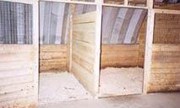
Yes, you can install animal stalls and pens in Pioneer Steel Buildings. If you are considering using your Pioneer Steel building to house animals, rest assured that adding stalls and pens is a straightforward process. The unique design of Pioneer buildings, which features clear spans and no internal support posts, provides you with maximum flexibility.
This means you can easily install stalls for horses, cows, pigs, or other animals. You are free to add as many stalls as your needs require, and you can make each stall as large or as small as you wish, without having to build around structural obstacles.
The open, trussless construction of Pioneer Steel buildings ensures that your layout can be customized to suit your specific requirements, allowing for efficient and comfortable accommodation of your animals.
Pioneer steel buildings are an excellent option for bulk storage. Their adaptable structure enables users to keep a variety of items such as grain, machinery, widgets, and much more. The roomy interiors offer plenty of space for storing large amounts, and their durable steel construction provides dependable protection from weather conditions. Additionally, Pioneer buildings can be easily expanded, allowing you to boost your storage capacity as your needs change.
Pioneer Steel buildings offer adaptable designs that make expanding them easy and efficient. If you need more space, simply remove an end wall and add extra arches to extend the building’s length—this modular process allows your structure to grow as your needs evolve.
Beyond just making the building longer, you can also raise its height. To do this, build new sidewalls and then set the steel building on top using our connectors. This adds even more flexibility, making it simple to adjust the building’s vertical space for changing storage or operational requirements.