 Canada
 U.S.A.
 International
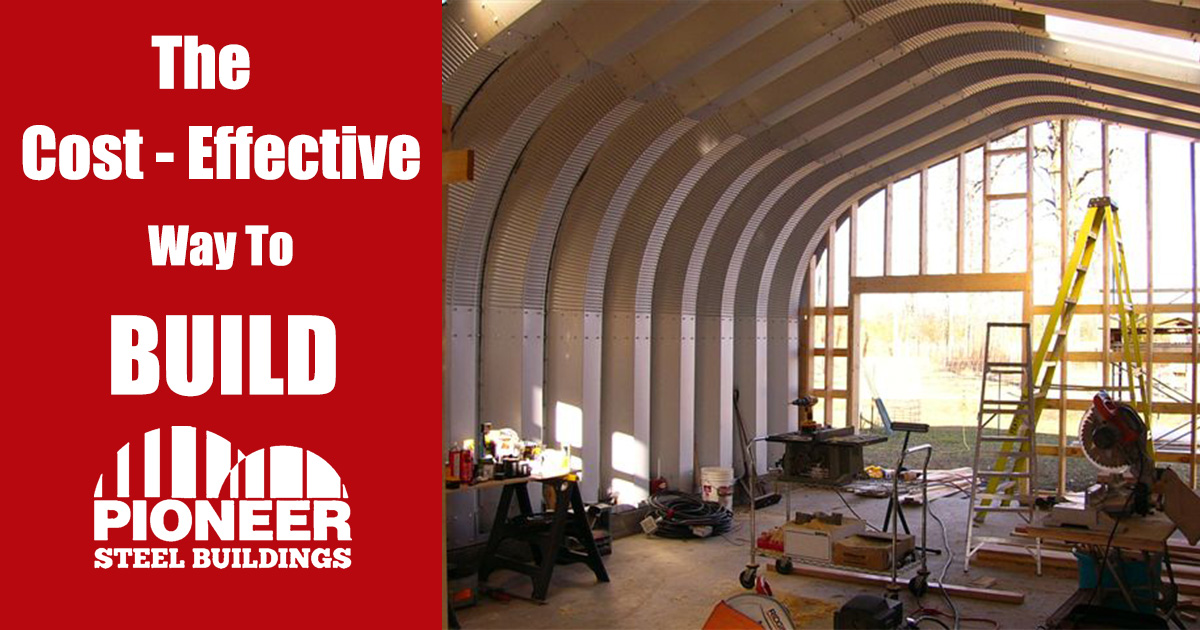
There are many things to consider when planning a new building, and cost can sometimes be the deciding factor. It is commonly believed that conventional construction methods, such as wood, concrete, or masonry, offer the most cost-effective solutions. However, pre-engineered steel buildings frequently present a more economical alternative, both in terms of initial investment and long-term value.
Understanding the Cost of Pre-Engineered Steel Buildings
The cost of a pre-engineered steel building varies depending on size, location, design complexity, and market conditions. In 2026, starting prices in Canada, are typically ranging from $25 to $30 per square foot. While this range can fluctuate, it provides a competitive entry point compared to traditional construction methods. This proves to be especially true when time, labour, and long-term expenses are considered.
What’s Included in the Price?
A steel building quote generally includes the prefabricated steel arches, base plates, fasteners, and structural components that form the core of the building. Depending on your design requirements, you can add endwalls as well. Items such as doors, windows, skylights, and vents are typically added based on project requirements.
You should also receive items you need to obtain a permit including:
- Detailed plans and specifications, including loading conditions, steel thickness, and material grades
- Engineering design certification, available upon request and signed and sealed by a professional engineer
This level of upfront planning and certification reduces uncertainty and minimizes the chance of costly surprises during construction.
Why Steel Is Often More Cost-Effective Than Traditional Construction
Pre-engineered steel buildings are designed for efficiency—something traditional construction struggles to match.
Faster Construction:
Steel buildings arrive prefabricated and ready for assembly, significantly reducing construction timelines compared to traditional builds.
Lower Labour Costs:
Because steel buildings use modular components, fewer specialized tools or skills are required, keeping labour expenses down.
Material Efficiency:
Steel buildings are engineered to use materials efficiently, producing far less waste than traditional construction.
Lower Maintenance Costs:
Steel is resistant to rot, pests, mold, and fire. Over time, this durability translates into far less need for upkeep, repairs and lower ongoing maintenance expenses.
Energy Efficiency:
The design of pre-engineered steel buildings naturally supports energy efficiency, helping reduce heating and cooling costs.
Addressing the “Steel Is Expensive” Myth
Steel buildings are frequently considered costly; however, this is a common misconception. Steel buildings are engineered for straightforward installation, significantly minimizing construction expenses. Their robust durability leads to fewer repairs, lower insurance costs, and reduced long-term maintenance outlays. Over the lifespan of the structure, these combined savings can be considerable.
Here are ways that make a pre-engineered steel building so cost effective:
- Standardized kits that meet most building needs and reduce customization costs
- Simplified installation, lowering labour and assembly expenses
- Durable, low-maintenance materials, minimizing long-term ownership costs
- Locally-sourced materials, reducing transportation costs and supporting local industry
- Sustainable materials, which may qualify for green building incentives
The Bottom Line
Pre-engineered steel buildings offer greater value than traditional construction when you account for overall costs, not just the upfront price. These structures are quicker to build, need less labour, require little maintenance, and provide long-lasting durability, making them an economical choice for a wide range of uses, including agricultural, commercial, industrial and more.